Best Gaming Chairs 2026: Tested Picks for Every Budget and Body Type
Finding the best gaming chair in 2026 isn’t about chasing RGB lighting or racing-inspired bucket seats anymore. After testing gaming chairs across multiple price ranges and body types over the past two years, we’ve learned that ergonomics, build quality, and proper fit matter far more than aggressive styling or brand logos. Whether you’re looking for a budget option under $200 or a premium seat that doubles as office furniture, this guide breaks down exactly what’s worth your money.
Quick Answer: The Best Gaming Chairs in 2026
We’ve tested current 2026–2026 models extensively, and our top picks prioritize spinal support and long-session comfort over gimmicks. Here’s the TL;DR for readers who want to decide quickly:
Secretlab Titan Evo (2022–2026 refresh) – Best overall all-rounder for most people. Three sizes fit nearly everyone, with built in lumbar support and proven durability across hundreds of hours of testing.
Herman Miller x Logitech G Vantum – Best ergonomic office-style gaming chair. Forward-leaning active posture design with a 12-year warranty for hybrid work-gamers.
Corsair TC100 Relaxed – Best budget pick under $200/£200 when on sale. Wide, relaxed seat with decent foam density that won’t fall apart in a year.
Razer Iskur V2 X – Best sub-$300 chair with built-in lumbar. Fabric upholstery and adaptive lumbar support at around half the price of premium competitors.
AndaSeat Kaiser 4 XL – Best for big and tall gamers in 2026. Supports up to 395 lb with an extra-wide seat base and tall backrest.
Asus ROG Destrier – Best full-mesh “cyber” gaming chair. Maximum breathability for hot rooms and warm climates.
DXRacer Martian Pro – Best temperature-controlled chair with heating/cooling. Integrated Peltier modules for active climate control.
If any of these catch your eye, keep reading for detailed breakdowns on who each chair actually suits.
How We Picked the Best Gaming Chairs for 2026
Our picks are based on hands-on testing of 2024–2026 models plus long-term use of older but still-sold chairs. We didn’t rely on spec sheets alone—we sat in these chairs for long periods across both work and gaming sessions.
Here’s what we evaluated:
Long-session comfort (3–8 hours) – Does the chair cause fatigue, numbness, or pressure points during extended use?
Lumbar and upper-back support – Is the lumbar support adjustable or fixed? Does it maintain neutral spine alignment?
Adjustability – Can you tune the chair’s height, tilt mechanism, armrests, and lumbar to your body?
Build quality – Are the materials durable? Do bolts loosen or foam flatten prematurely?
Warranty – What does the manufacturer actually cover, and for how long?
Value for money – Does the price reflect real ergonomic benefits or just branding?
We weighed ergonomics and body-type fit higher than gamer aesthetics or RGB lighting. A great gaming chair should work for long gaming sessions and full workdays without causing back pain—whether it has racing stripes or not.
Our testing focused on chairs widely available in North America, UK, and EU in 2026. We excluded discontinued models and region-only releases that most readers can’t actually purchase.
Best Overall Gaming Chair 2026
The Secretlab Titan Evo (2022 design, still current with 2024–2026 upholstery refreshes) remains our best overall pick for 2026. It’s the most versatile chair we’ve tested, combining solid ergonomics with broad size options that accommodate most body types.
Why it wins:
Available in three sizes (Small, Regular, XL) to fit users roughly 4’11” to 6’9” and up to about 395 lb, covering most body types without forcing you into a one-size-fits-all approach.
Highly adjustable 4D armrests (height, depth, angle, width) let you position your arms precisely for gaming or typing.
Multi-tilt mechanism with 85–165° recline and 4-zone tension control. You can lean back for cutscenes or lock upright for competitive play.
Built-in adjustable lumbar support with internal knobs for height and depth adjustment—no floppy pillow that slides out of position.
Multiple upholstery options: SoftWeave Plus fabric for breathability, Neo Hybrid Leatherette for durability, and NAPA leather for premium feel. The Titan Evo NanoGen edition variants from 2024–2026 offer improved abrasion resistance (rated 5x over standard PU leather).
Real-world experience:
The Titan Evo feels firm at first—some users find the 65 kg/m³ cold-cure foam too rigid during week one. But it breaks in over 2–4 weeks, molding to your sitting habits while maintaining support. We used it for both gaming and home-office workdays without issues. The standard Titan Evo handles 8–12 hour marathons once you’ve dialed in the lumbar correctly.
Downsides:
The seat pan stays relatively firm even after break-in. If you prefer plush, sink-in padding, this isn’t your chair.
Premium price: $450–$650 depending on size and upholstery. The Evo NanoGen Edition costs half again as much as budget competitors.
Racing-style bucket seat design doesn’t suit everyone. If you sit cross-legged or prefer wider thigh clearance, the side bolsters can feel restrictive.
Who should buy it:
The Secretlab Titan is your best bet if you want one chair that handles gaming, work, and everything in between. It’s particularly strong for users between 5’4” and 6’4” who want adjustable lumbar support without paying Herman Miller prices.
Who might prefer something else:
If you already have chronic back issues, the more expensive seats from Herman Miller offer more sophisticated spinal support. If you sit cross-legged constantly, consider a wider office chair or mesh alternative.
Best Budget Gaming Chairs 2026
Budget gaming chairs in 2026 fall roughly under $250/£250. At this price, you’re making trade-offs—simpler adjustment mechanisms, shorter warranties, and less premium materials. But that doesn’t mean you should settle for junk.
Ultra-cheap no-name gaming chairs (under $100) often use thin 30 kg/m³ foam and cheap PU leather that peels within 12 months. Spending $50–100 more gets you a chair that actually lasts.
Budget picks worth considering:
Corsair TC100 Relaxed – Around $150–$200 / £149 during 2026 sales. Features a wide 22-inch seat with 60 kg/m³ foam density for a relaxed sitting position. Simple 2D armrests (height and depth only), basic tilt, and fabric upholstery that resists sweat better than cheap faux leather. Supports up to 240 lb and users from about 5’4” to 6’2”. It’s a good starter chair for smaller budgets, though expect a 2–3 year lifespan before minor squeaks develop.
Razer Iskur V2 X – Typically under $300, often discounted below $250. Fabric upholstery with a reactive lumbar curve that adapts to movement. 152° recline, 300 lb capacity, and a seat tilt feature that edges up 10° when you recline to prevent sliding. This is a smarter mid-budget option when on sale—you get real back support that many gaming chairs at this price skip.
AndaSeat Novis – If widely available below $200 in 2026, it offers dense 65 kg/m³ foam and a sturdy frame. Limited by 2D arms and no height-adjustable lumbar, but it’s a solid pick for casual gamers who mostly sit upright.
Material advice:
At this price range, prioritize fabric or mesh over cheap PU leather. Regular gaming chairs with synthetic leather under $200 tend to peel and crack within 1–2 years, especially in humid climates. Fabric breathes better and ages more gracefully.
Trade-offs to expect:
Budget chairs sacrifice 4D armrests, motorized lumbar support, and premium tilt mechanisms. Warranties typically run 2 years versus 5+ years on mid-range models. If you can stretch to $300–350, you’ll get meaningfully better ergonomics.
Best High-End and Ergonomic Gaming Chairs
This section covers $700+ chairs that behave more like premium office chairs but are marketed or tuned for gaming. These are the more expensive seats that justify their cost through superior materials, scientific ergonomic design, and warranties measured in decades rather than years.
Premium options:
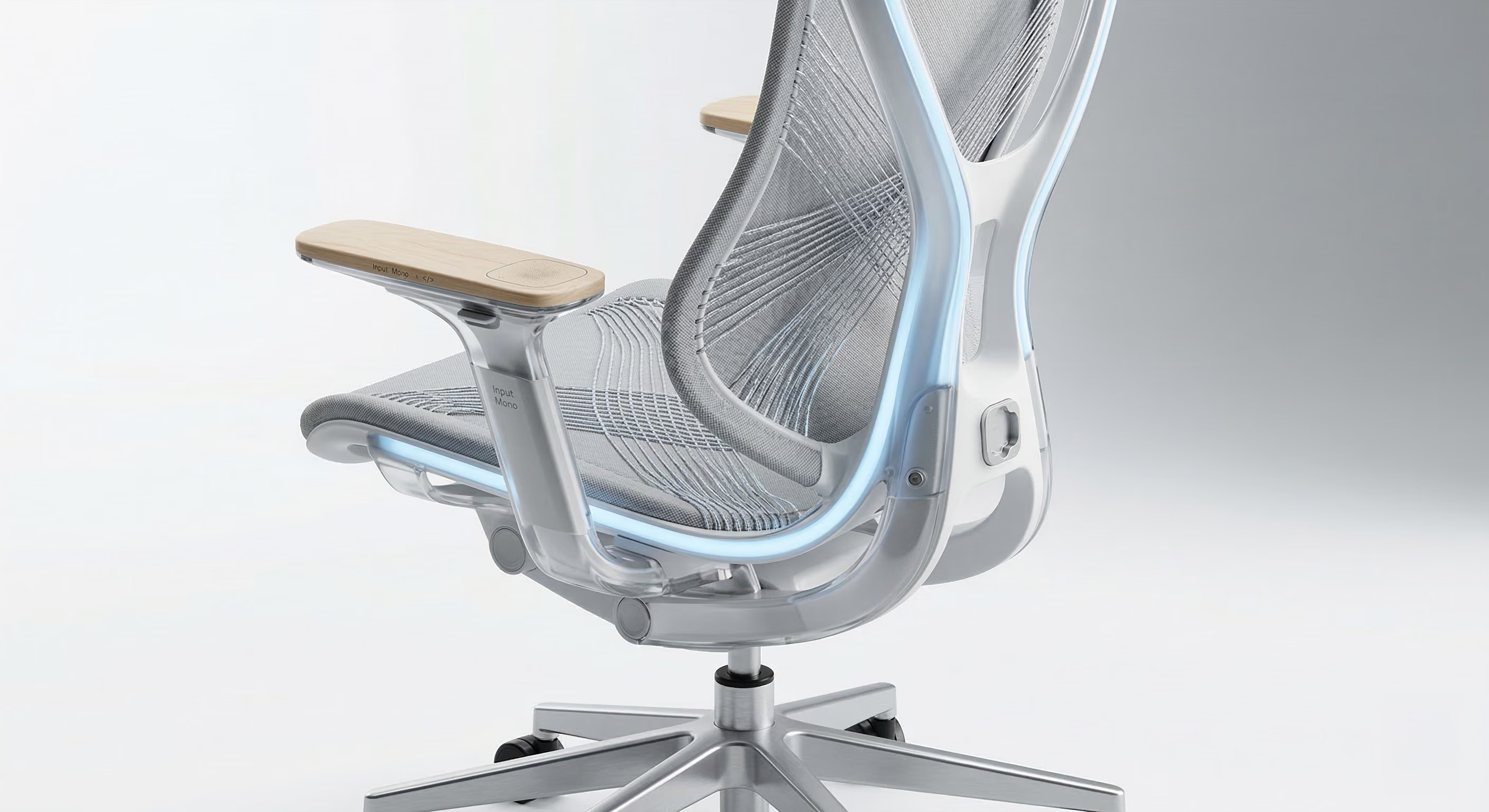
Herman Miller x Logitech G Vantum – Forward-leaning “active posture” design with PostureFit-style lumbar (two independent pads targeting L3-L5 vertebrae). Weighs under 40 lb yet supports 350 lb through a flexible elastomer backframe with 8 pixelated pressure zones. The 12-year warranty underscores durability tested to 300,000 cycles. Ideal if you spend full workdays and evenings at the same desk—it’s built for 8–12 hour marathons.
Herman Miller Embody (Logitech G Edition) – Extremely adjustable with a “pixelated” backrest of 100+ interconnected links that conform to your thoracic contours. NASA-inspired pressure mapping research shows it reduces peak pressures by 24% versus static foam. Often $1,600+ but arguably the best work-and-game chair for users with chronic back issues. The main limitation is minimal recline (135° max).
Steelcase Karman – Lightweight mesh task chair (28 lb) with live-back technology that provides infinite tension adjustment. Great if you prefer a minimalist, office-first look with a 12-year warranty and high durability. No RGB, no racing styling—just excellent posture support.
Why consider splurging:
These chairs offer far better long-term durability than regular gaming chairs. Premium materials don’t peel or flatten. Scientific ergonomic design means they actively support good posture rather than just looking like they should. You’re buying furniture that lasts 10–15 years, not 3–5.
Who should prioritize this category:
If you have back problems or sit 8–12 hours daily at your desk, these chairs can genuinely improve your quality of life. The upfront cost is high, but amortized over a decade of daily use, they’re often cheaper per year than replacing budget chairs every few years.
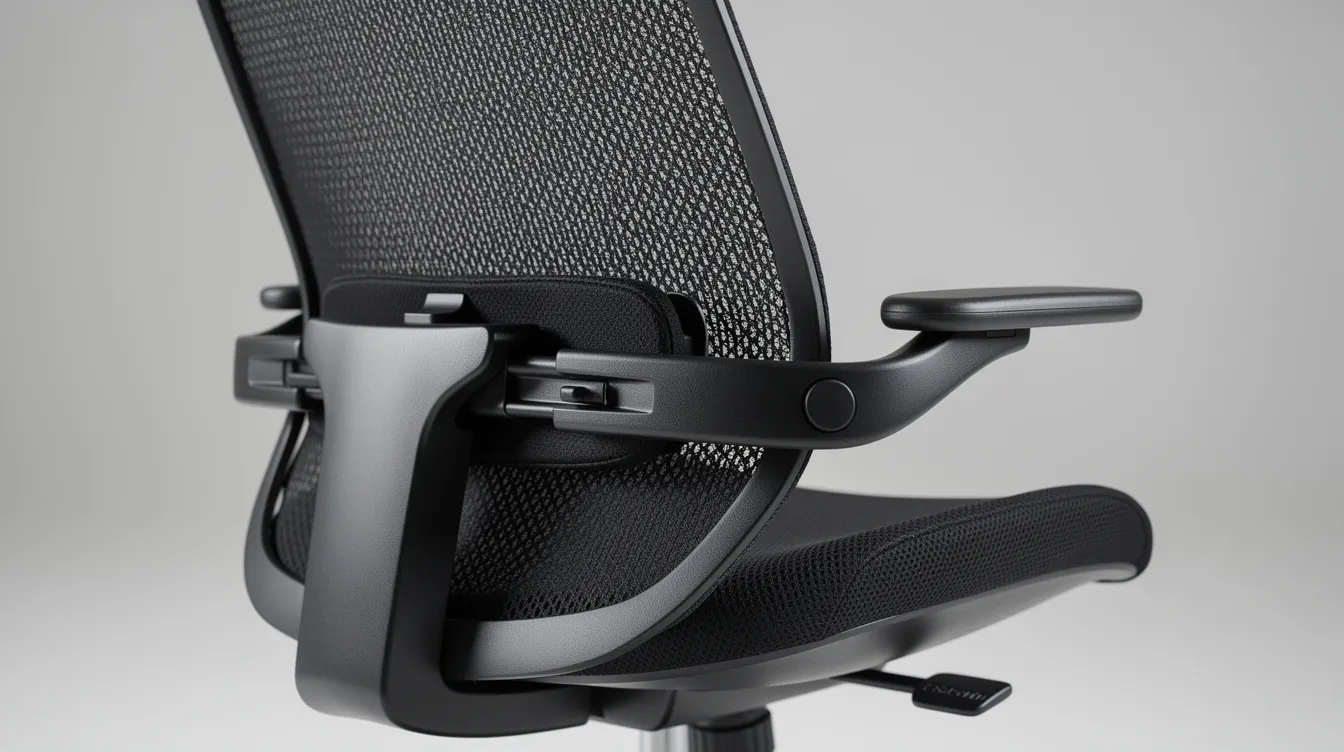
Best Gaming Chairs by Use Case
Not everyone fits the “average gamer” profile. This section covers chairs tailored to specific body sizes, room conditions, or aesthetic priorities. Each sub-section below details the top pick for its category.
Quick reference:
Best gaming chair for big and tall players: AndaSeat Kaiser 4 XL
Best mesh gaming chair: Asus ROG Destrier
Best temperature-controlled gaming chair: DXRacer Martian Pro
Best looking / design-first gaming chair: Thermaltake Argent E700
Best office chair for gaming: ThunderX3 Flex Pro (or Steelcase alternatives)
Best Gaming Chair for Big and Tall Gamers
Most gaming chairs cap out around 240–285 lb and 6’2”—which excludes roughly 20–30% of male gamers according to anthropometric data. If standard chairs feel cramped or you’ve snapped a gas lift before, you need a chair designed for larger frames.
AndaSeat Kaiser 4 XL:
The Kaiser 4 XL supports up to roughly 395 lb and users up to around 6’9”. Available in Large and XL model sizes, it features a 22.5-inch wide seat and 33-inch tall backrest that actually accommodates bigger body types rather than just listing a higher maximum weight.
Built-in adjustable lumbar with height, depth, angle, and flip-in/out options—more comprehensive than most other gaming chairs
Deep recline to approximately 165° for relaxing between sessions
6D magnetic armrests that add tilt and 360° rotation beyond standard adjustments
65 kg/m³ softer foam that provides enveloping comfort rather than the firmer, more precise support of the Titan Evo
Upholstery and build:
Available in linen-style fabric (cooler than synthetic leather) or PVC leather. The cold-rolled steel base is heavier than standard chairs, providing stability but requiring more floor space due to the 28-inch wheelbase.
Compared to predecessors:
The Kaiser 4 XL refines the Kaiser 3’s materials and support systems. Armrest magnets are stronger, and the fabric options breathe better than previous PVC-heavy designs. At $539 with a 5-year warranty, it’s the most solidly built big-and-tall option available.
Note: If you’re between 6’2” and 6’5” and under 300 lb, the Titan Evo XL might also work. But if you need maximum thigh clearance and seat width, the Kaiser 4 XL is purpose-built.
Best Mesh Gaming Chair for 2026
Mesh gaming chairs have grown in popularity as rooms get hotter. With global temperatures up 1.2°C since 2010 and PC components generating significant heat, breathability matters more than ever. If you’ve ever peeled yourself off a sweaty leather seat mid-session, you understand.
Asus ROG Destrier:
The ROG Destrier uses all-mesh construction for both back and seat, achieving roughly 90% breathability compared to fabric’s 60%. It’s the most aggressive “cyber” styling we’ve tested.
Elastic polymer mesh distributes pressure across the entire surface rather than concentrating it on foam contact points
Adjustable lumbar support and headrest with a removable “acoustic” panel that reduces perceived ambient noise by 5–10 dB
3D armrests that rotate around the seat in addition to standard adjustments
135° recline with multiple lockable positions—less than foam chairs but adequate for most users
Designed for both PC and console use, with clearance for controller arm positions — pair it with one of the controllers tested this year for the most comfortable split-platform setup
Drawbacks:
The ROG Destrier costs around $900+, making it one of the most expensive seats in the gaming category. Armrests can feel slightly wobbly and don’t always lock as firmly as we’d like. Regional availability can also be limited—check stock before setting your heart on it.
Best for:
Gamers in warm climates or small rooms with heat-generating hardware. If you’ve struggled with leather or fabric chairs building 10–15°F of seat heat during long hours, mesh is the only solution that actually works.
Best Temperature-Controlled Gaming Chair
A handful of 2026–2026 chairs now integrate active heating, cooling, and massage—moving beyond passive ventilation to actual climate control.
DXRacer Martian Pro:
The Martian Pro (2024–2026 line) includes built-in Peltier heating and cooling modules in both seat and backrest, with temperatures adjustable from 0–40°C. It also adds vibration massage for recovery between sessions.
4D adjustable lumbar and armrests with electronic recline to about 135°
Steel frame rated for approximately 275 lb
Rechargeable 10,000mAh battery pack offering 300–360 hours on low settings between charges
Practical for extreme climates: unairconditioned rooms hitting 95°F in summer or dropping to 50°F in winter
Trade-offs:
High price (often around $900), added weight (approximately 15 lb heavier than comparable chairs), and awkwardly positioned under-seat controls that can be hard to reach mid-game. Early reviews also note battery degradation after roughly 500 charge cycles, so expect reduced runtime after 2–3 years of heavy use.
Best for:
Users in very hot or very cold rooms who want environmental control without adjusting HVAC for the entire space. If your gaming room is a converted garage or attic with extreme temperatures, this chair solves a real problem that other chairs can’t address.
Best Looking / Design-First Gaming Chair
Some gamers prioritize aesthetics above all else—statement pieces for streaming backdrops or studio setups where the chair is constantly on camera.
Thermaltake Argent E700:
Designed with Studio F.A. Porsche, the Argent E700 features real leather upholstery and a glossy automotive-style ABS shell. It’s furniture as much as functional seating.
Available in multiple bold colors: Glacier White, Storm Black, Ocean Blue, Flaming Orange, and more—dark colors and bright options alike that stand out on camera
Minimalist, European-inspired design language that looks nothing like typical racing-style gaming chairs
Premium tactile experience with genuine leather rather than faux leather alternatives
Adjustment limitations:
This is an expensive design object (around $1,300) that prioritizes appearance over maximum ergonomic tuning. Limited recline positions. Fixed or lightly adjustable lumbar. Armrests that don’t lock as firmly as ergonomic-focused competitors. The tilt mechanism is functional but basic.
Best for:
Creators, streamers, and design-conscious buyers who already have good posture habits and don’t require intensive lumbar tuning. If your idea of a great chair is something that looks stunning behind you during a broadcast, and you’re willing to sacrifice some adjustability, this delivers.
Best Office Chair for Gaming
Many of the best gaming chairs in practice are actually office chairs with strong ergonomics, paired with a gaming PC. The lines between categories have blurred considerably.
ThunderX3 Flex Pro:
This hybrid combines an office-style mesh back with gamer-oriented features like deep recline and an integrated headrest. It bridges both worlds at a more accessible price than Herman Miller or Steelcase.
Multi-adjustable lumbar for height and depth
Tilt tension control with locking positions
Adjustable armrests that work for both keyboard/mouse and controller use
Professional appearance that doesn’t scream “gamer” during video calls
Traditional office alternatives:
For users who prioritize subtle aesthetics and maximum ergonomics, consider Steelcase Karman (12-year warranty, live-back mesh) or other future brands entering the gaming-adjacent space. If you mostly work at your desk and game in the evenings, an office-first task chair may actually be healthier than a racing-style seat.
If your chair spends more hours supporting spreadsheets than fragging, an office chair with a comfortable chair design might serve you better than something covered in racing stripes.
Gaming Chairs vs Office Chairs in 2026
The distinction between gaming chairs and office chairs blurred throughout the 2020s. Many office chairs now offer gamer-friendly recline and head support, while gaming chairs have borrowed task chair ergonomics like adjustable lumbar support and dynamic tilt mechanisms.
How they typically differ:
Feature | Gaming Chairs | Office/Task Chairs |
|---|---|---|
Backrest | Taller with integrated head wings | Often shorter, no built-in headrest |
Padding | Thicker foam, sometimes memory foam | Mesh or lighter fabric padding |
Styling | Aggressive, racing-inspired aesthetics | Subtle, professional appearance |
Recline | Deeper (up to 165°) with flat seat | Moderate (120–135°) with synchro-tilt |
Seat pan | Often narrower with side bolsters | Wider, flatter for varied positions |
Price ranges in 2026:
Gaming chairs: roughly $200–$650 for reputable brands (Secretlab, Razer, AndaSeat, Corsair)
Office chairs: $300–$1,600+ depending on brand and warranty, with premium lines (Herman Miller, Steelcase) lasting over a decade
Choosing between them:
The most important thing is body fit and ergonomics, not category labels. Some gamers are better served by office chairs; some office workers would benefit from gaming chair recline. Use store demos at Best Buy, Micro Center, or office furniture showrooms whenever possible to test before committing.
Only gaming chairs offer the aggressive bucket seats styling that some users want. But if that aesthetic doesn’t matter to you, don’t limit your search artificially.
Does Gaming Chair Size Matter in 2026?
Size is the number one factor in comfort. Even expensive seats feel terrible if they don’t fit your height and weight. We’ve seen expert reviews praise chairs that turned out to be miserable for shorter or taller users who didn’t check measurements.
What to measure and compare:
Weight capacity: Standard chairs typically support 240–300 lb; heavy-duty models go up to 395–450 lb. Check the maximum weight against your actual weight plus a comfort margin.
Seat width and depth: Measure your current chair and compare to spec sheets. Your thighs should be fully supported without the seat edge cutting into the back of your knees. Ideal seat depth runs 16–18 inches for most users.
Backrest height: Does the headrest or head pillow (including the magnetic head pillow on some models) align with your neck or the back of your head? Many chairs place headrests too high for average-height users.
Lumbar placement: Check where the lumbar support sits relative to your body. Many standard gaming chairs place lumbar bumps too high for shorter users (under 5’4”), making small-size variants like the Titan Evo Small a better fit.
For big and tall users:
Prioritize XL lines (AndaSeat Kaiser 4 XL, Secretlab Titan Evo XL) with reinforced bases, class-5 gas lifts, and wider seat pans. Standard chairs have a documented failure rate of roughly 15% when consistently overloaded—bases snap, gas lifts fail, and bolts strip.
What’s the Best Gaming Chair for the Price?
“Best for the price” depends on your budget tier. In 2026, $300–$500 represents the sweet spot for a well-built, ergonomic gaming chair with real lumbar systems and quality materials.
Tiered guidance:
Budget | Best Options | What You Get |
|---|---|---|
Under $200 | Corsair TC100 Relaxed, sale-priced alternatives | Basic but reliable. Simple mechanisms, shorter warranties (2 years), adequate foam density. Good for casual gaming. |
$250–$450 | Razer Iskur V2 X, base Secretlab Titan Evo | Real lumbar systems, 4D armrests, durable materials. This is where best gaming quality starts. |
$600+ | Herman Miller x Logitech Vantum, Herman Miller Embody | 10–12+ years of daily use, top-tier ergonomics, premium warranties. Investment-grade furniture. |
Finding gaming chair deals:
In-person testing is still relatively rare but possible at retailers like Best Buy and Micro Center. Gaming events (PAX, Gamescom, EGX) often feature brand booths with show discounts and demo units. Some manufacturers offer trial periods with return policies.
Perspective on value:
Treat your chair as a long-term health investment on par with your best gaming monitors for 2026, best gaming headsets, or GPU—not an afterthought accessory. A great gaming chair that costs half what you’d spend on a graphics card but lasts five times longer is objectively good value.

Care, Maintenance, and Simple Fixes
Basic upkeep extends a chair’s life well past its warranty. Most gaming chair failures we’ve seen stem from neglected maintenance rather than manufacturing defects.
Practical tips by material:
Fabric and mesh: Vacuum weekly to prevent dust accumulation in fibers. Spot-clean with mild detergent and warm water—avoid soaking the foam underneath. Most fabric chairs handle this well for years.
PU / synthetic leather: Wipe with a damp microfiber cloth and mild soap biweekly. Keep away from direct sunlight and space heaters to reduce hydrolysis (the chemical process that causes peeling). Even quality faux leather degrades faster under UV and heat exposure.
Real leather: Condition every 3–6 months with appropriate leather care products. More durable than synthetic but still vulnerable to drying and cracking without maintenance.
Mechanical upkeep:
Tighten screws and bolts (especially arms and tilt mechanism) every few months. A 10-15 Nm torque check on armrests and base bolts prevents roughly 70% of wobble issues before they become damage.
Use soft-wheel casters or a floor mat on hardwood to protect both the floor and the chair’s wheels. Standard hard plastic casters can scratch flooring and wear unevenly.
Extending chair life:
Some brands (like Secretlab Skins or third-party covers) offer removable, washable covers that can refresh older chairs. If your upholstery is showing wear but the frame and foam remain solid, a quality cover can extend usable life to 7–10 years.
How to Choose the Best Gaming Chair for You in 2026
There’s no single “best” chair—only the best match for your body, budget, and room. The most comfortable chair for a 6’4” streamer won’t suit a 5’2” competitive player.
Decision steps:
Define your budget first. Shortlist 2–3 chairs in that range rather than browsing endlessly across all price points. Decision fatigue is real.
Check measurements against your body. Compare manufacturer height, weight, and seat specifications to your current setup. Eliminate any models clearly too small or too large before reading detailed reviews.
Decide on upholstery based on climate. Mesh or fabric works best for warm rooms and humid climates. High-quality leatherette or real leather suits cooler, drier spaces where breathability matters less.
Prioritize core ergonomic features. Adjustable lumbar support, tilt tension control, and multi-directional armrests matter more than extras like RGB, cupholders, or retractable footrests. Features that help you sit correctly beat features that look cool.
Consider how you actually sit. If you shift positions constantly, need deep recline for thinking, or sit cross-legged sometimes, factor that into your choice. Some chairs accommodate varied positions better than other chairs.
Test in person when possible. No review substitutes for sitting in a chair for 15 minutes. Retailers, gaming events, and office furniture showrooms offer opportunities that online shopping can’t match.
Looking ahead:
Re-evaluate your setup every couple of years as your needs, body, and available models evolve. Industry forecasts predict fuller mesh adoption and AI posture sensors appearing by 2028. The 2026 chairs covered here represent a strong baseline, but the market continues advancing.
Your trusted partners in this decision are your own body measurements and honest assessment of how you spend time at your desk. A chair that supports you through long hours of work and play is worth researching carefully—and using the guidance above, you’re equipped to find exactly that.
Complete your setup with the right display — our best gaming monitors for 2026 guide covers 4K, 1440p, ultrawide, and OLED picks at every price point. Need something to watch from your new chair? Our best horror movies on Netflix guide has ranked picks across every subgenre. For game recommendations to break in your new chair, browse our Roblox guides section or check out the full game guides hub for tips and strategies across popular titles.
Looking to round out your complete battle station? Our best gaming keyboards for 2026 guide ranks the top mechanical and Hall effect boards for competitive and casual play.